Different Types of Coveralls Used in Industrial Workplaces

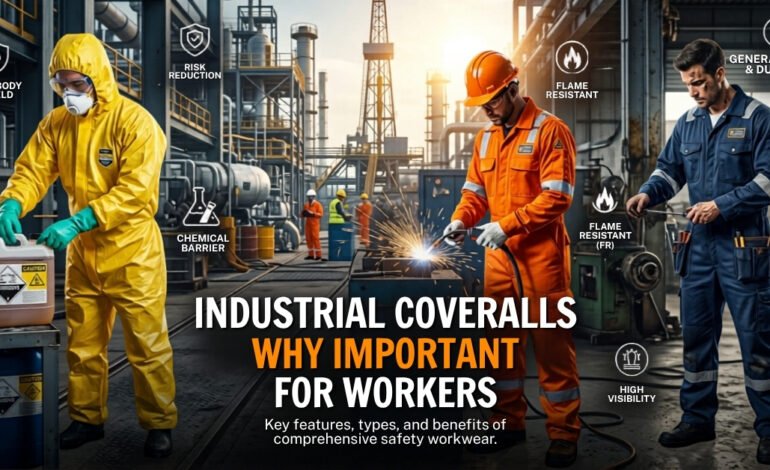
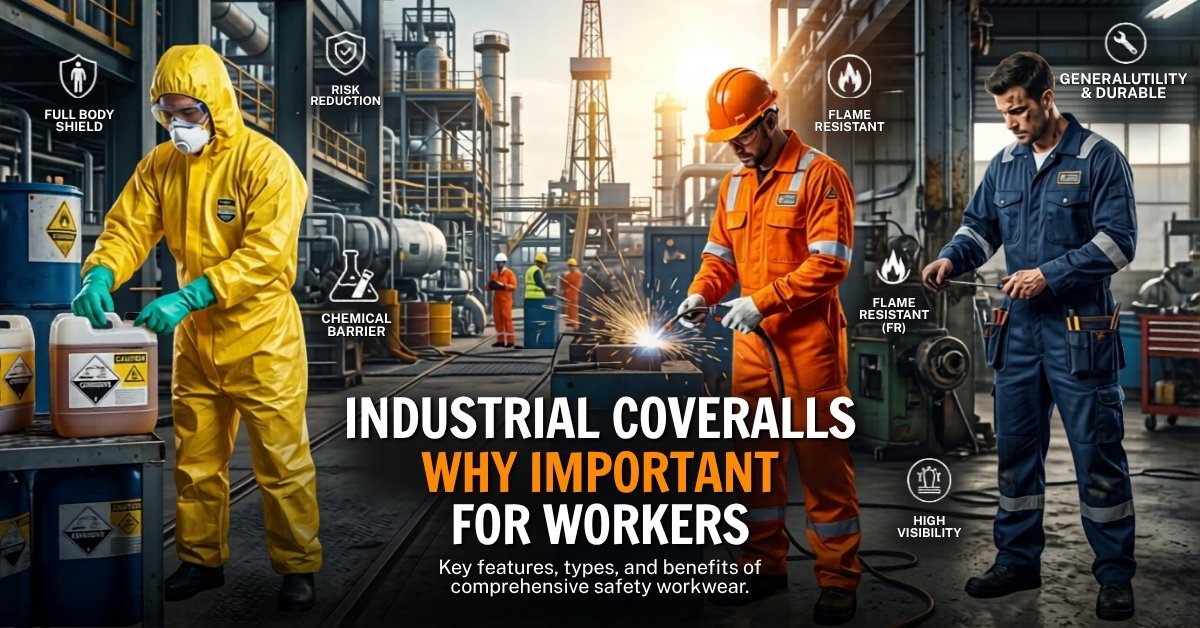
Industrial safety relies on a single basis of prevention. Coveralls are an important part of workplace safety equipment. These uniforms offer complete protection from fine dust, harsh chemicals, and hot metals. Whether it‘s construction floors or chemical labs, industrial coveralls provide affordable workplace protection. Here, you will find a variety of safety coveralls used across different industrial workplaces.
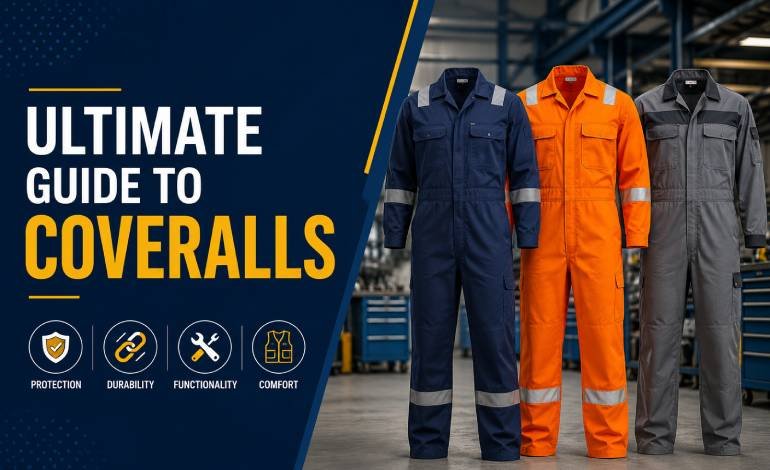
READ MORE: Ultimate Guide to Coveralls
What Are Industrial Coveralls?
Industrial coveralls are all-in-one protective clothing.
- Total Body Shields: They cover the torso, arms, and legs in a single protective garment.
- Professional Aim: They are designed to protect workers in daily industrial tasks.
- The Main difference: greater protection with no loopholes – coveralls instead of an ordinary uniform
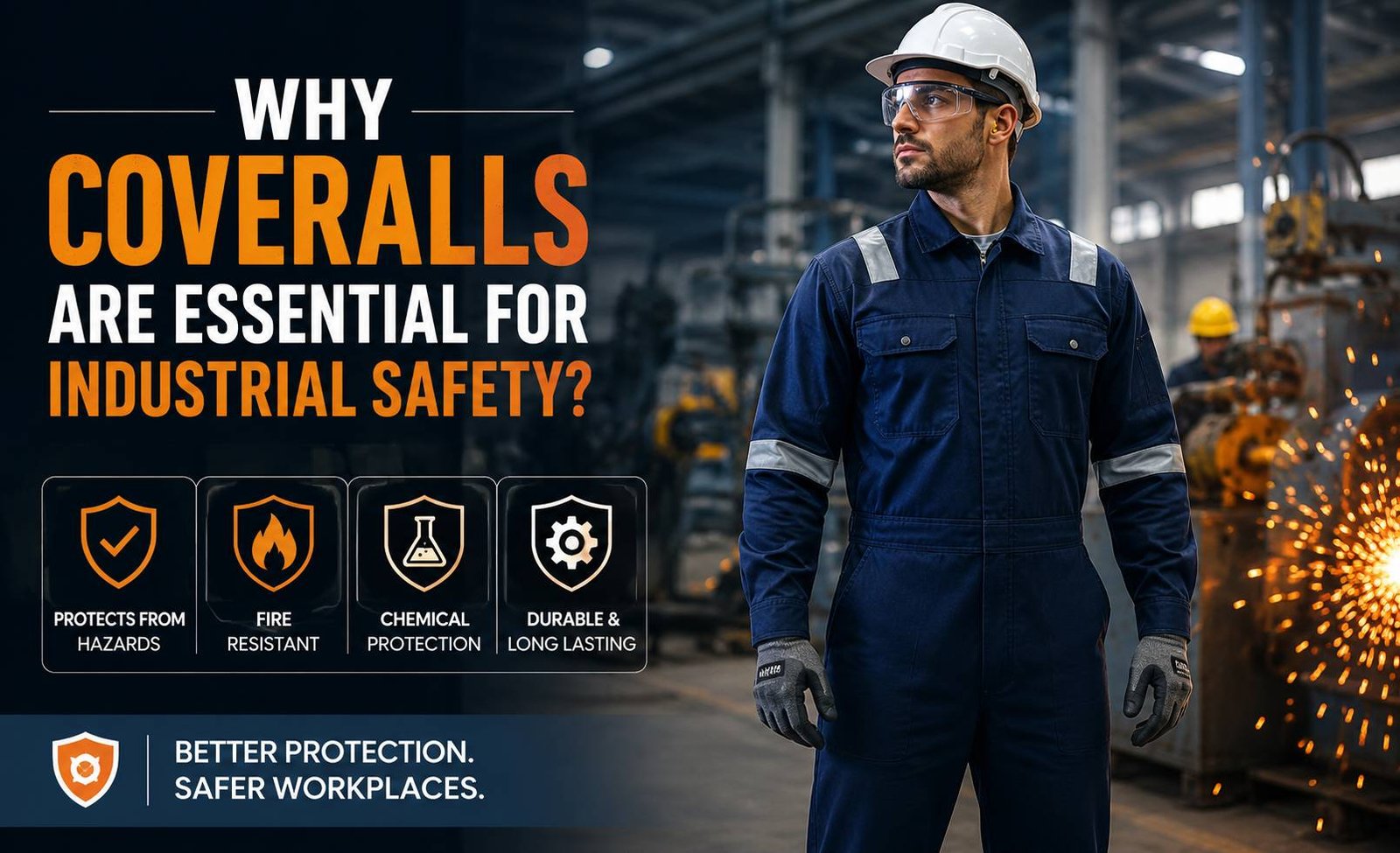
Why Coveralls Are Important in Industrial Workplaces
- Worker Safety Protections: They eliminate direct contact with sharp edges and rough surfaces.
- Dust and Chemical Defenses: Quality fabrics prevent unhealthful particles and toxic splashes.
- Hygiene: They can maintain their personal clothing in a clean condition for the duration of the day.
- The professional image: those who wear uniforms look in command and can carry out whatever they rank in terms of revenue and respect.
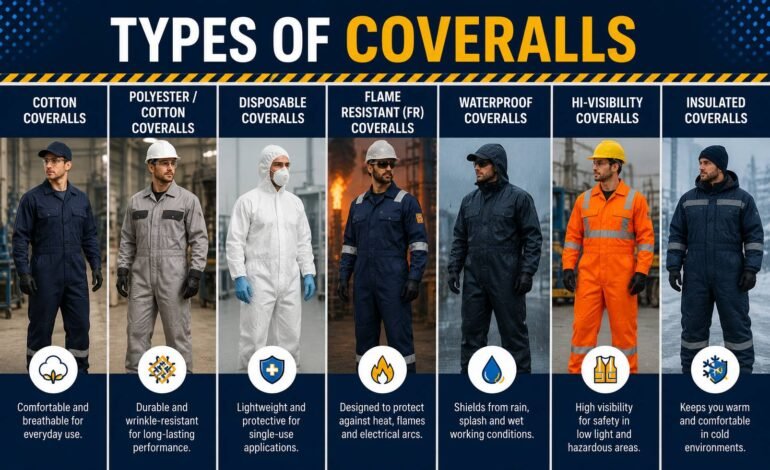
Cotton Coveralls
Cotton is a conventional option for general industrial work.
- A breathable material: suitable for hot or humid climatic conditions.
- Daily Comfort: The soft fabric allows free movement in workshops.
- Factory Ready. Suited for manufacturing environments and general repairs and maintenance work.
Flame Resistant (FR) Coveralls
What are FR Coveralls?
They are tailored for the order of the optimum protection against heat.
Industries That Require FR Clothing
They are a highly respected standard in the oil and gas industry as well as welding.
Benefits of Fire Protection Coveralls
They are extremely effective in providing a protective barrier against sparks and flash fires. This important protection can mean the difference between life and death within extremely high-temperature regions.
High Visibility Coveralls
Hi-vis coversalls make sure all workmates are clearly visible.
- Reflective Strips: Ultimate visibility even in the dark.
- Road and Mine Safety. Critical factor to both road construction and underground mining.
- Always ready: They avoid accidents where there is usually heavy work.
Waterproof Coveralls
These allow complete dryness of outdoor industrial work.
- Liquid Defense: They form a formidable defense in protecting you against rainwater as well as industrial fluids.
- Material Strength: manufactured using durable, high-performance coatings to maintain value over time.
Disposable Coveralls
Single-Use Protection
Provides technical excellence for dirty or delicate work.
Industries Using Disposable Gear
Popular in the Medical, Pharmaceutical, and Chemical fields.
Hygiene and Contamination Control
They give perfect protection from cross-contamination and germs.
Chemical Resistant Coveralls
These are the last line of defense against any toxic matter.
- Toxic Shield: Anteriors’ technology is designed for superior chemical resistance
- Certified Safety: Achieve worldwide standards of excellence in the re-handling of hazardous waste.
Insulated Coveralls for Cold Environments
For excellence in thermal insulation.
- Cold Storage Achievability: They keep man-power dry in low-temperature areas.
- Outdoor Winter Work: offers total comfort whilst working in Arctic conditions.
Anti-Static Coveralls
Importance in Hazardous Areas
These prevent static electricity from building up and producing dangerous sparks.
Industries Using Anti-Static Gear
Routine used widely in everyday Life in electronics departments and petrochemical industries for maximum safety/security.
Coveralls Used in Different Industries
- Construction: Sturdy safety for rough-and-tumble physical work.
- Oil and Gas: Flame-resistant mastery for extreme conditions.
- Automotive: grease and industrial oil resistant.
- Health care: Adequate cleanliness, sanitary protection.
How to Choose the Right Industrial Coveralls
A superb decision always requires planning.
- Identify Hazards: match the material to your specific hazards at work.
- Comfort and Quality: Choose comfortable and stretchy fabrics.
- Check Certifications: Confirm the gear upholds prestigious safety ratings.
Maintenance Tips for Industrial Coveralls
Proper washing. Following appropriate washing procedures to ensure the retention of fire-retardant attributes.
- Safe Storage: Must be stored in a dry, cool place, ensuring the material remains usable for a long period of time.
- Safety Inspections: Carry out frequent inspections of tears and damage.
Common Mistakes to Avoid
- Price is Over Quality: Never lower the safety standard to save cost.
- Wrong Fabric: This is suitable for the environment.
- Gear Not Fitting Properly: Leads to failed protection. Too tight or loose.
Conclusion
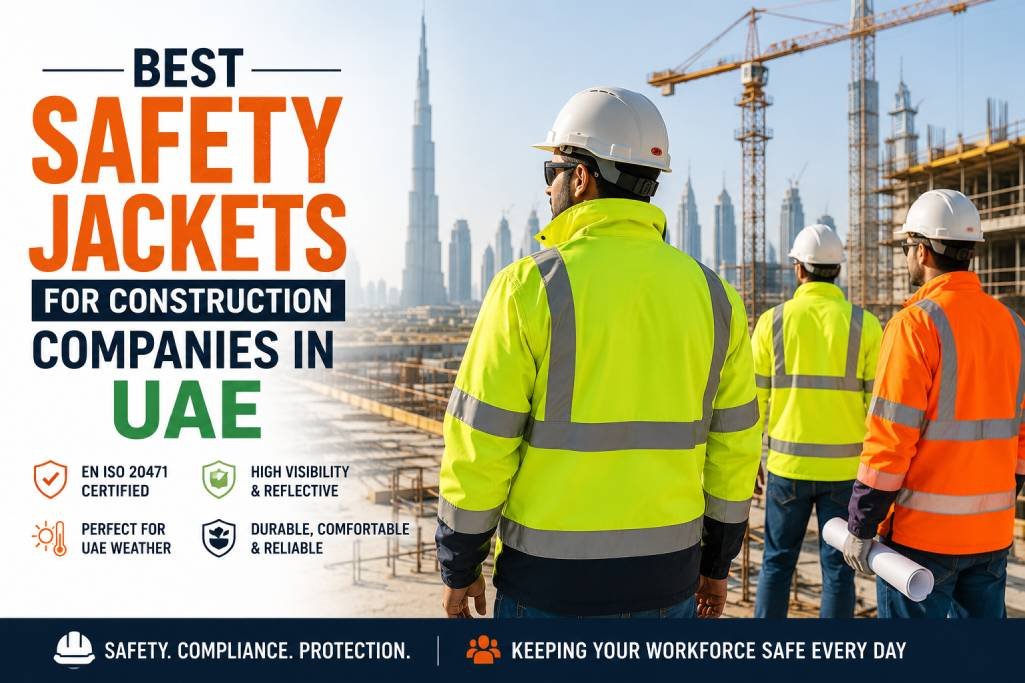
Choosing Industrial Safety Wear is indeed a wise life investment. Buying the appropriate PPE clothing will definitely lead you to have a prosperous and safe future. Work with reliable suppliers and reach outstanding workplace excellence. Provide your workers with the best quality coveralls and rest assured of a job well done! Workers should also invest in high-quality flame-resistant clothing, high-visibility safety jackets, and durable industrial workwear for maximum workplace protection.