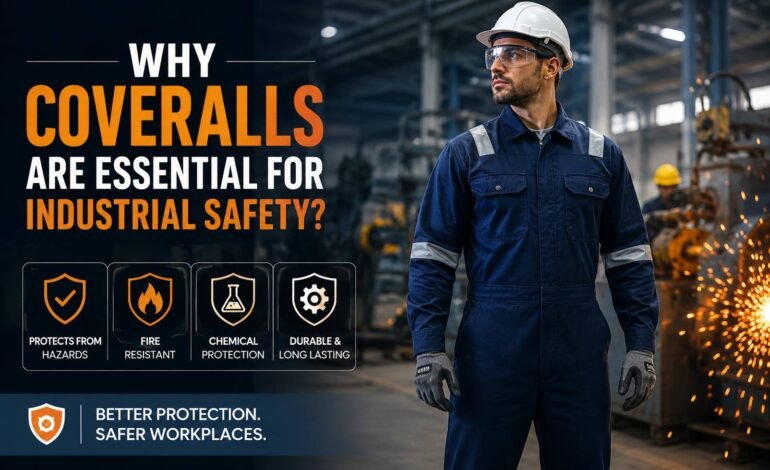
Why Coveralls Are Essential for Industrial Safety?

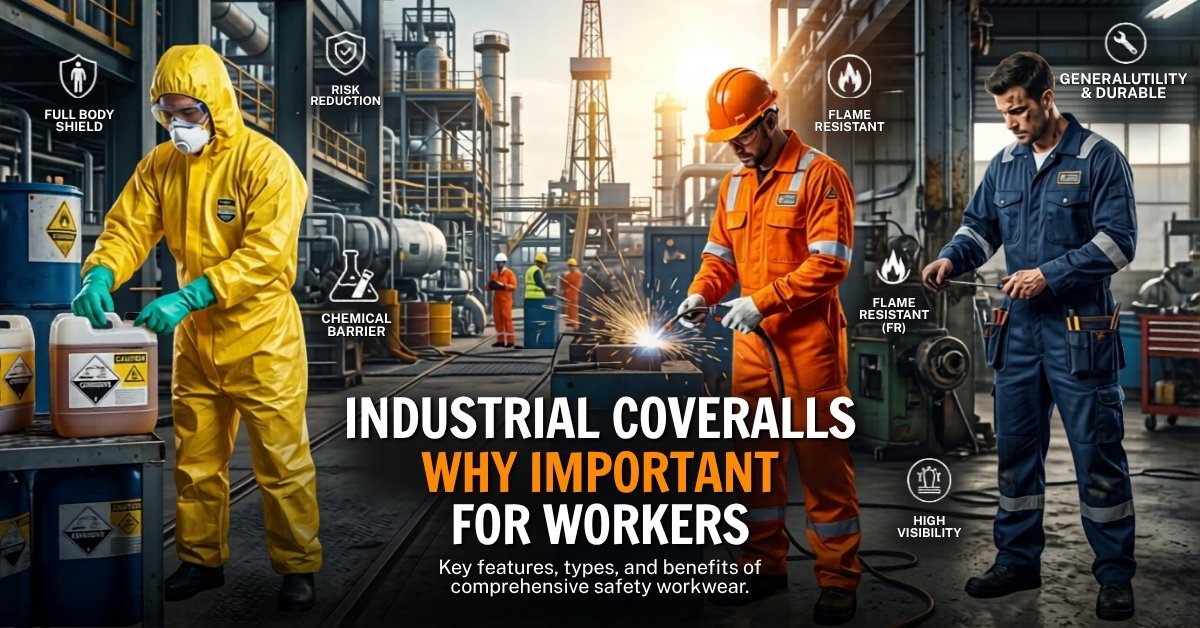
Talk to anyone with ten years on a gritty factory floor. Ask a technician who spends weeks out in the windy oil fields. Ask them which single piece of gear they trust the most to get them home safe. You might expect them to name a high-tech tool or an expensive gadget. But most of the time? Coveralls will look down and point right at their garments. In some countries, people call them boiler suits. It is a basic, one-piece suit. There is absolutely nothing glamorous about it. Yet, this single garment quietly prevents massive burns, painful chemical injuries, and skin contamination every single working day.
What Are Coveralls?
A coverall is a full-body protective garment. It connects your pants, jacket, and long sleeves into a single, continuous piece. Most styles feature a simple heavy-duty closure running straight down the front. Workers pull them on right over their regular daily street clothes. This setup creates a tough outer layer that keeps grease, grime, and toxic dust off your skin.
Standard jackets and shop aprons leave dangerous gaps at the waist. These full-body suits do not. They leave almost no skin open to outside elements. Less bare skin means less risk from flying sparks, wild liquid splashes, or sharp metal edges.
You will see teams wearing them in almost every manual trade. Welders, industrial painters, pest control techs, and laboratory crews wear them every shift. The exact style changes depending on the daily hazards, but the main goal never moves. It keeps the human inside safe according to strict PPE clothing guidelines.
What Makes Industrial Coveralls Different
Do not confuse real industrial coveralls with cheap consumer suits. The thin outfits you see on the clearance shelf at local hardware stores are meant for basic home DIY projects. They simply cannot handle heavy mechanical work.
Genuine industrial coveralls are built for high-stakes environments. The fabrics are much heavier to survive intense occupational safety hazards. The seams feature reinforced triple-stitching to stop sudden tears. Most importantly, they carry official safety stamps. These certificates prove the garment actually works under pressure, not just on paper.
Take a worker in a chemical plant. They cannot wear basic clothing and hope for the best. They need a suit tested against specific acids. That is the major dividing line between simple clothes and real protective clothing. When a business invests in high-quality safety clothing, it is not just trying to clear a legal hurdle. They actively cut down on serious injuries and unexpected sick days.
Top Pick
Disposable Protective Coveralls
Disposable protective coveralls designed to provide lightweight, breathable, and reliable protection for industrial, medical, and workplace safety applications.
- ✔ Durable & breathable fabric
- ✔ Multiple utility pockets
- ✔ Comfortable fitting
- ✔ Industrial-grade protection
- ✔ Easy movement while working
4 Types of Industrial Coveralls
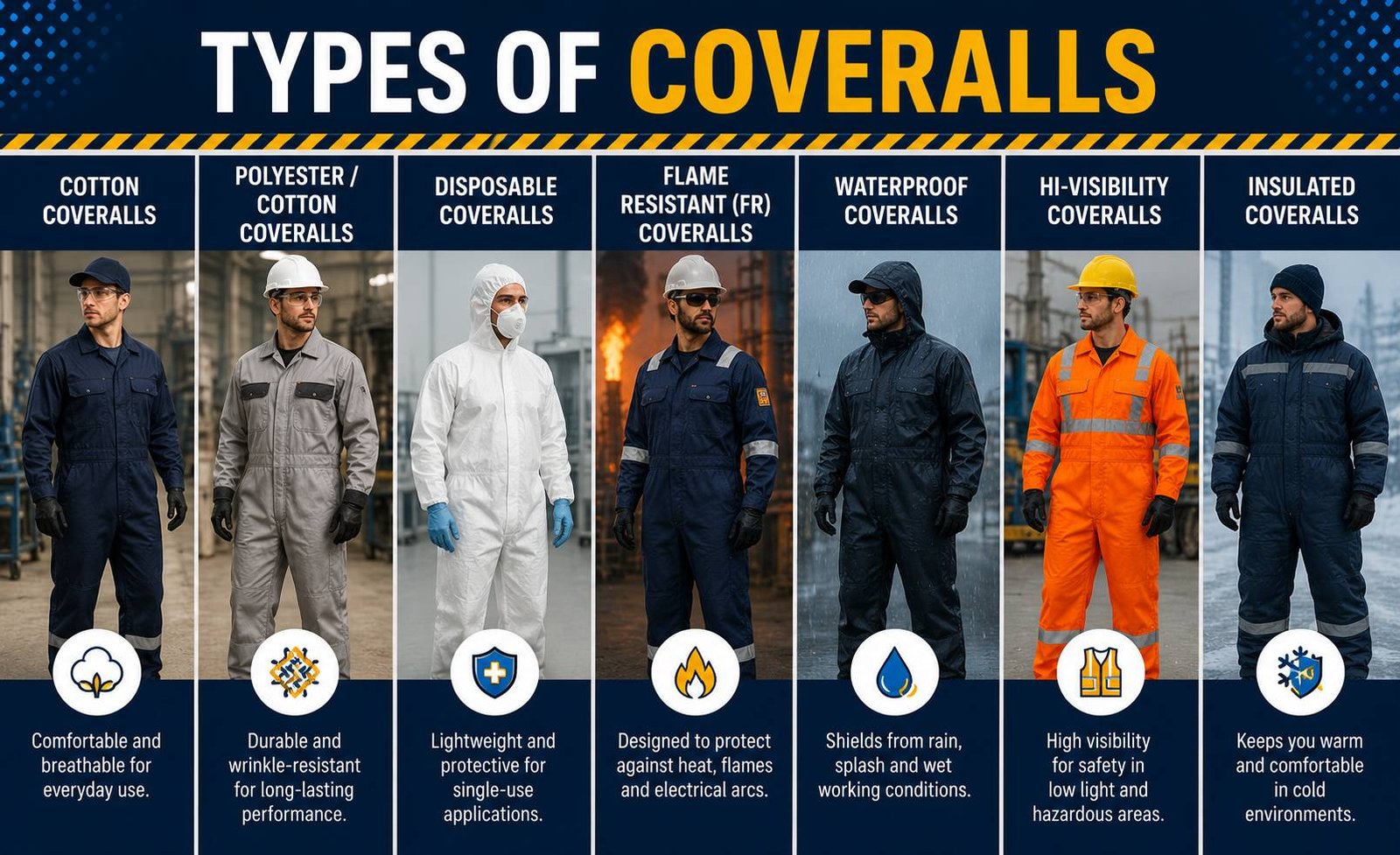
Your specific workplace hazards dictate the design you need. Here are the four main styles protecting crews today:
Disposable Options: These single-use suits use breathable spun polypropylene. They work best for asbestos removal or paint spraying. They trap toxic aerosols and fine particulates. You simply peel the dirty suit off and toss it out. This keeps the grime away from your skin.
Flame-Resistant Suits
These garments are vital for welding bays or fuel refineries. They protect workers from arc flashes, flash fires, and molten metal splashes. The material stops burning the instant you step away from the heat source. This stops a dangerous thermal chain reaction.
Waterproof Workwear
This gear is ideal for fish processing plants, sewage work, or outdoor construction. These laminated fabrics shed rain fast. Staying dry prevents painful skin chafing and keeps workers warm in freezing weather.
Chemical-Resistant Shields
Farm crews and lab techs need this dense liquid barrier. It stops toxic acids from soaking through to your skin. Ratings range from light splash defense to fully sealed suits for total chemical immersion.
Top Pick
Disposable Protective Coveralls
Disposable protective coveralls designed to provide lightweight, breathable, and reliable protection for industrial, medical, and workplace safety applications.
- ✔ Durable & breathable fabric
- ✔ Multiple utility pockets
- ✔ Comfortable fitting
- ✔ Industrial-grade protection
- ✔ Easy movement while working
Key Features of Industrial Coveralls
Durable Materials
Pure cotton handles minor sparks well. Polyester provides excellent durability. Most top brands use a rugged blend of 65% polyester and 35% cotton to mix comfort with strength. For extreme jobs, look for premium names like Nomex for fire or Tyvek for toxic dust insulation.
Upgraded Closures and Design
Premium workwear avoids cheap plastic zippers that melt under heat stress. Instead, look for two-way brass zippers. Good brands shield these zippers with fabric storm flaps. This simple feature blocks stray sparks, hot liquid drops, and coarse grit from slipping past the closure track.
Comfort and Mobility
Stiff safety gear causes mistakes. Workers must stretch and climb ladders easily. Choose designs with articulated knees and gusseted crotches to prevent rips. Expandable pleats across the shoulders also reduce fatigue during a long eight-hour shift.
Certified Safety Standards
Certified garments carry labels proving what hazards they successfully resist:
EN ISO 11612 — Heat and flame protection
EN 13034 — Liquid chemical splash (Type 6)
EN 14116 — Limited flame spread
NFPA 70E — Arc flash protection (US standard)
ISO 16602 / EN 14605 — Chemical protective clothing classification
No label means no verified proof. In hazardous workplaces, uncertified protective clothing is a liability for both the worker and the employer.
Disposable Protective Coveralls
Disposable protective coveralls designed to provide lightweight, breathable, and reliable protection for industrial, medical, and workplace safety applications.
- ✔ Durable & breathable fabric
- ✔ Multiple utility pockets
- ✔ Comfortable fitting
- ✔ Industrial-grade protection
- ✔ Easy movement while working
Uses of Coveralls Across Industries
Construction Sites
Think about a busy job site. You have concrete dust flying, fresh paint wet on the walls, and sharp metal scrap everywhere. Thick fabric stops deep skin scrapes. Plus, bright silver reflective tape makes sure bulldozer drivers spot your ground crew instantly through the dust.
Oil & Gas Sector
Drilling rigs face a totally different danger. They require flame-retardant suits woven with anti-static threads. Why? Because a tiny spark from regular clothing can ignite gas vapors in the air. This fabric stops that nightmare before it starts.
Manufacturing and Labs
Assembly workers deal with slick machine oils and flying metal shavings every day. Heavy fabric keeps that grease off your skin. Inside cleanrooms, the suits keep your dead skin cells and loose hair from ruining sensitive microchips. They also shield lab tech teams from sudden chemical splashes.
Cleaning Crews
Disaster crews and cleaners handle the worst tasks. They face toxic black mold, raw sewage, and burning industrial bleach. A proper suit acts as a reliable wall between a worker and a trip to the hospital.
Top Pick
Disposable Protective Coveralls
Disposable protective coveralls designed to provide lightweight, breathable, and reliable protection for industrial, medical, and workplace safety applications.
- ✔ Durable & breathable fabric
- ✔ Multiple utility pockets
- ✔ Comfortable fitting
- ✔ Industrial-grade protection
- ✔ Easy movement while working
Benefits of Industrial Coveralls
Direct Injury Prevention
The right suit stops burns, deep cuts, and chemical contact on impact. It takes the brunt of the damage so your body does not have to. For guys working eight-hour shifts in hazardous zones, that shield is everything.
Regulatory Compliance
Safety laws are strict. If you run a business, you must supply proper protective gear for dangerous tasks. Buying certified gear keeps the inspectors happy. It keeps you compliant and protects your company from massive legal fines.
Hygiene and Contamination Control
Food factories and medical plants cannot have dirt near the product. These outfits act like a clean wall. They stop hair, dust, and daily dirt from falling into the production line. You protect your inventory just as much as your staff.
Reduced Long-Term Health Costs
Touching toxic solvents and breathing industrial dust for ten years will ruin your body. You might not feel the damage today, but you will later. Good workwear stops this slow poisoning. It cuts out chronic skin rashes and breathing issues before they take root.
Professional Appearance
Matching uniforms look sharp. When a client walks onto your site and sees a team in clean, identical gear, it sets a tone. It proves you run a tight ship, care about safety, and respect your contract.
Top Pick
Disposable Protective Coveralls
Disposable protective coveralls designed to provide lightweight, breathable, and reliable protection for industrial, medical, and workplace safety applications.
- ✔ Durable & breathable fabric
- ✔ Multiple utility pockets
- ✔ Comfortable fitting
- ✔ Industrial-grade protection
- ✔ Easy movement while working
How to Choose the Right Coveralls
Start with an OSHA hazard assessment.
Do not guess what you need. Follow official OSHA guidelines and write down a clear list of the exact risks your workers face every day. Is it fire? Corrosive acid? Standing water? Heavy friction? Let the specific danger dictate the type of suit you buy. You can review the OSHA PPE Standards to match your workplace hazards with the correct equipment levels.
Match Material to the Job
Once you know the main hazard, match the fabric properties to it. Do not buy lightweight disposable suits for heavy welding jobs. Do not use standard cotton workwear for handling acid splashes. Let the environment make the choice.
Size and Fit for Layering
Measure your team carefully and use the manufacturer sizing guides. Sizing varies a lot between major brands. Always remember that workers wear these suits over existing layers like jeans or thick hoodies. When you are in doubt, buy one size larger to allow for comfortable layering without binding.
Verify Safety Certifications
Look closely at the product specification sheet before ordering. If you are buying gear for high-risk industrial coverall applications, the suit must carry the correct official certification stamp. Never cut corners on safety documentation.
Follow Laundering and Maintenance Protocols
This is where most buyers go wrong after purchase. FR-treated coveralls degrade when washed with fabric softeners. The softener coats the protective fibers from the inside. Over enough wash cycles, the garment is no longer self-extinguishing—with no visible sign that anything has changed. Wash FR-treated suits in plain detergent only. No softener, no bleach, no dryer sheets. Follow the care label temperature every time. Inspect every garment before each shift. Pull any suit with thin fabric, split seams, or broken closures from use immediately.
Last Words
At informative workwears, these protective garments are easy to overlook—until you are in a situation where they matter. The right pair of industrial coveralls shields your crew from heat, chemical burns, and physical hazards. It keeps your business compliant with safety law. And giving your team proper gear signals clearly that their well-being comes first. Assess your hazards. Check the certification. Size for real working conditions. Follow the wash instructions. Inspect before each shift. Five steps. That is the whole job. Workers who come home safe every day are the only measure that counts.
Coveralls FAQs
What are coveralls used for?
They shield your entire body from fires, chemical spills, and toxic dust. The one-piece design seals waist gaps to protect your skin and clothes from wrist to ankle.
Are industrial coveralls waterproof?
No. Standard cotton blends absorb fluids quickly. If you work in heavy rain or around liquid chemical spray, you must buy suits specifically labeled as waterproof or PVC-coated.
What materials are best for coveralls?
A poly-cotton blend works best for daily mechanical labor. High-risk jobs require specialized fabrics like fireproof Nomex for extreme heat or defensive Tyvek for toxic chemical dust.
How do you choose the right coveralls?
Check your official OSHA site risk assessment first. Then, verify the safety certification codes on the garment tag. Finally, buy a size up so you can move easily.